Weekly type 2 diabetes jab could replace daily injections
Hundreds of thousands of people with type 2 diabetes could get access to a new weekly insulin jab to replace daily injections.
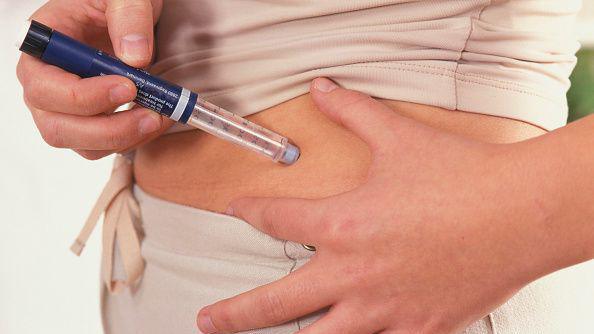

Hundreds of thousands of people with type 2 diabetes could get access to a new weekly insulin jab to replace daily injections, reducing the number needed each year by 86%.
Patients still have to wait for the treatment to be approved by the medicines regulator before it is made available on the NHS.
The treatment is said to work as well as daily insulin jabs but only needs to be injected once a week.
The charity Diabetes UK says it will help people manage their condition better, especially those who have extra care needs and who require help to inject every day.
Around 4.7 million people in the UK were living with diabetes in 2024-25, of which roughly 90% had type 2.
The condition means the body can’t make enough of a hormone called insulin, or the insulin it makes doesn’t work properly – also known as insulin resistance.
Diabetes UK says that around 1 in 4 people with type 2 diabetes takes insulin.
Greater flexibility
Moving from daily injections to a weekly jab is most likely to benefit those who need help with their injections.
That might include frailer people and those with sight loss, limited hand movement and learning disabilities.
People who have difficulty following the steps involved in a daily injection or those who struggle to stick to their treatment regime are also likely to be helped by the new drug.
Douglas Twenefour, head of clinical at Diabetes UK, said: “For some, especially those with additional care needs, moving from daily insulin injections to a once-weekly option could help manage their diabetes more easily, improving their quality of life.
“It’s essential that everyone who could benefit is supported by their healthcare team to make informed decisions, and that this treatment helps reduce inequities in diabetes care.”
Helen Knight, director of medicines evaluation at Nice, said the new treatment could make a “real difference to the day-to-day lives of people with type 2 diabetes, especially those who rely on a carer, family member or healthcare professional to help them inject”.
She added: “This recommendation is the result of rigorous, evidence-based decision making, striking a balance between the benefits to patients and the best use of limited NHS funding.”
The initial approval for the new treatment has come from the National Institute for Health and Care Excellence (Nice), which is the body responsible for deciding what medication and treatments should be available on the NHS.
But before type 2 diabetes patients can access the treatment via the NHS it needs to be licensed by another body, the medicines regulator, the Medicines and Healthcare products Regulatory Agency (MHRA).
Health officials say they are waiting on the MHRA’s ruling on the treatment “to understand whether it could be rolled out on the NHS”.
Nice guidance applies to the NHS in England, but the NHS in Wales also frequently follows its recommendations.
They aren’t automatically followed in Northern Ireland where they are reviewed by the Department of Health, and in Scotland the process is managed by the Scottish Medicines Consortium.