The Iran War is Forcing Energy-Importing Countries to Turn Inward
The Iran war is pushing countries to prioritize domestic energy in order to protect themselves from volatile oil and natural gas markets.
The monthslong closure of the Strait of Hormuz is reinforcing an expensive geopolitical lesson about how risky it can be to rely on imported energy.
From South America to Southeast Asia, governments and private companies are being forced to look inward and take steps to harness what they can domestically, even when doing so raises upfront costs. Call it the era of me-first energy.
Guyana, a fast-growing South American oil producer that ran short of fuel this spring, is discussing building its first refinery. Indonesia is accelerating plans to harness more power from the sun. Many other Asian countries have turned to coal in order to plug their energy gaps, at least for now. And in Europe, Belgium is trying to nationalize nuclear energy.
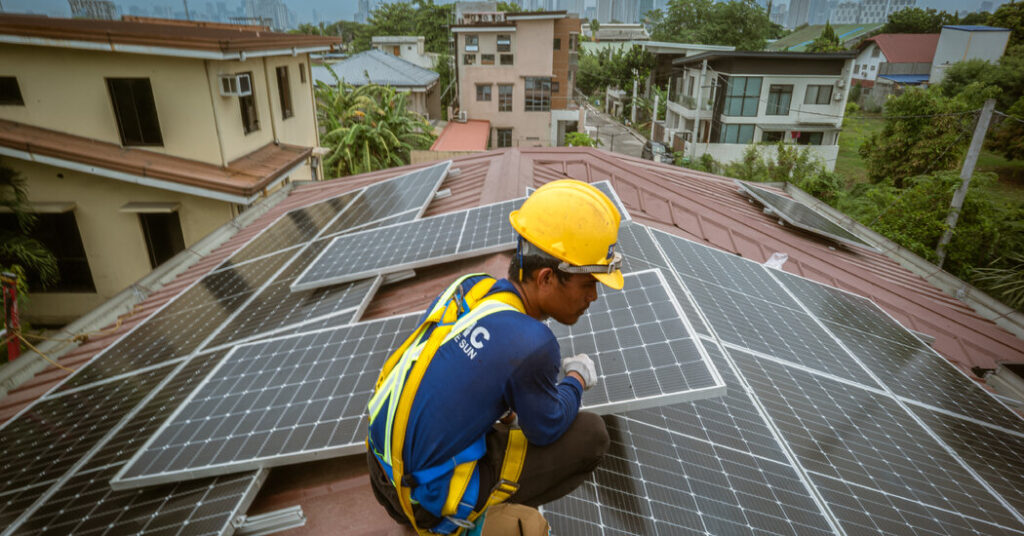
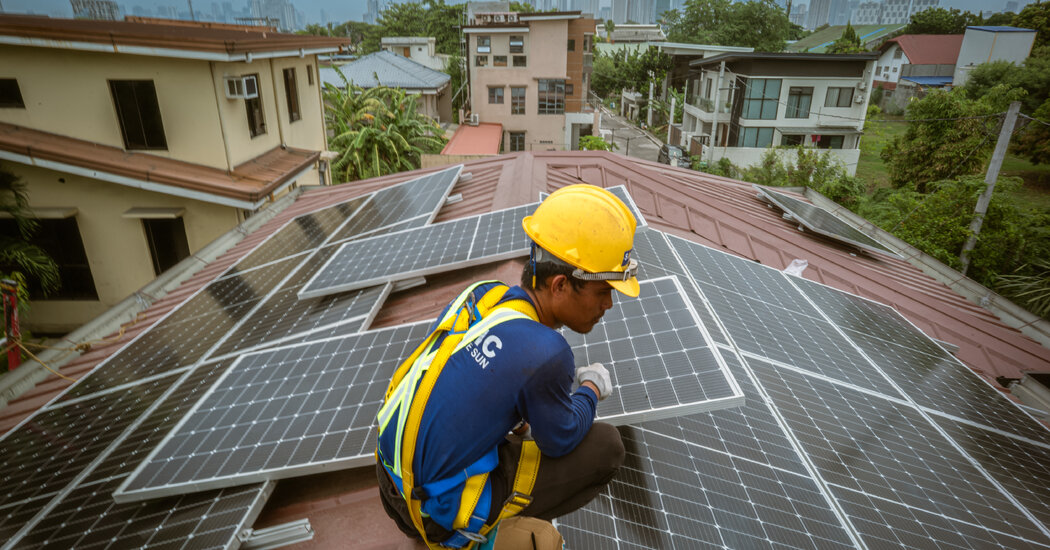
Individuals are also taking matters into their own hands, buying electric vehicles to avoid rising fuel costs or installing rooftop solar panels to lower electricity bills. In the Philippines, which was especially hard hit after U.S.-Israeli strikes on Iran started, imports of electric cars and solar equipment from China recently hit records, according to Ember, a London research group.
But countries and businesses can do only so much on their own. The world has developed a tightly interwoven energy system primarily because it is cheaper for countries to specialize in the commodities they have and the technologies where they have expertise — and to import what they lack.
Even the United States, the world’s biggest oil and natural gas producer, is not truly energy independent. It buys crude oil from Canada, Mexico and Venezuela while selling its own fuel to the rest of the world.