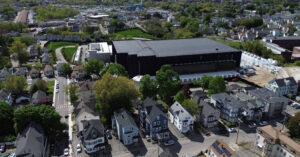
The Cloud Has Sound: The Unrelenting and Unseen Cost of A.I. Data Centers
As tech giants rush to build infrastructure, some residents who live near data centers say a constant low-frequency vibration is ruining their health and homes.
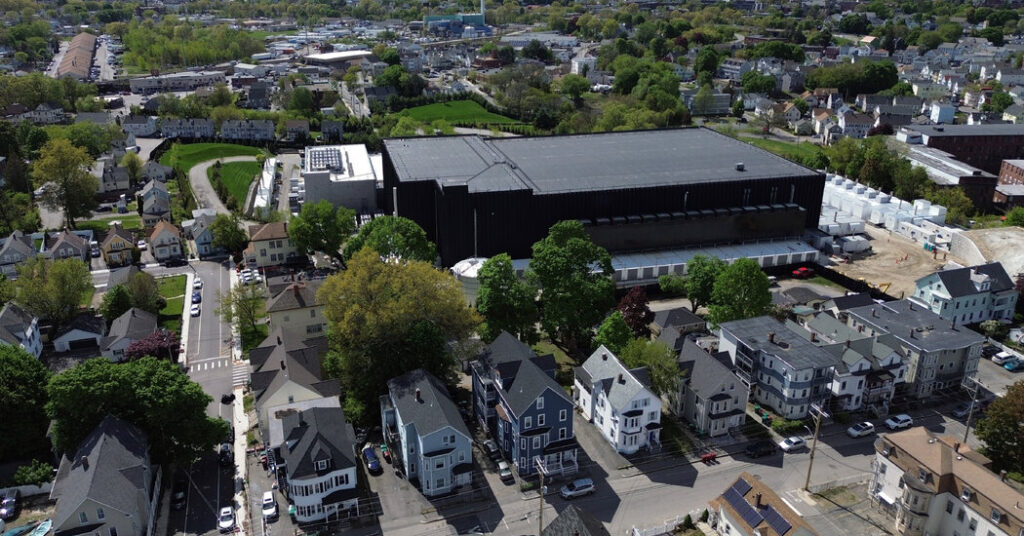
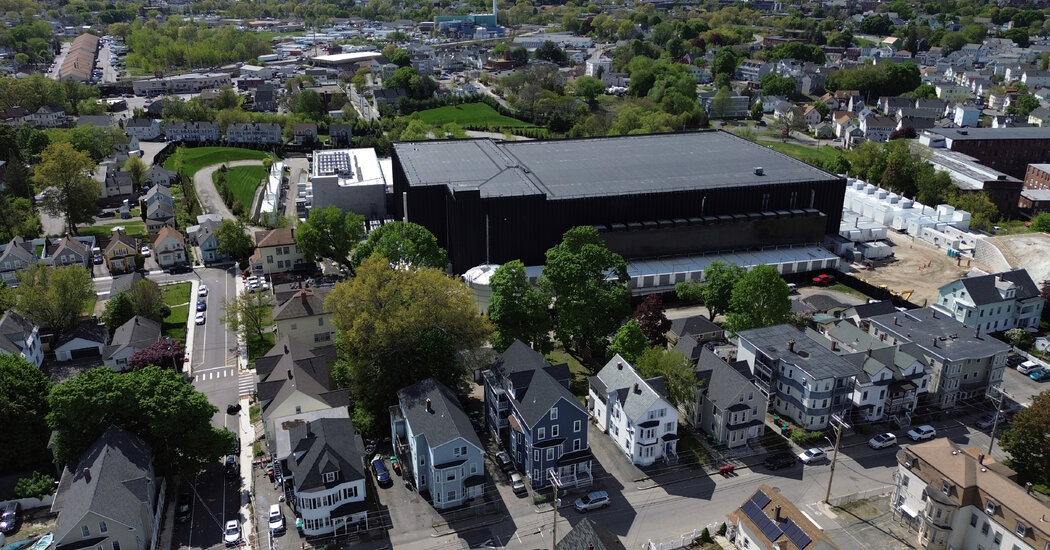
As tech giants rush to build infrastructure, some residents who live near data centers say a constant low-frequency vibration is ruining their health and homes.
The heartbeat of the artificial intelligence economy sounds like a low-frequency thrum of a neighbor’s central air-conditioning unit, an airplane flying overhead at high altitude or a truck engine idling down the road.
But it feels like the vibrating, rhythmic pulse of a subwoofer from a party that will never end.
Yes, the cloud has a sound, and some who live closest to data centers that emit the noise have reached their wit’s end trying to block it out.
Residents in three small cities last month filed lawsuits against data centers specifically about noise.
The United States has more than 3,000 operational data centers, with more than 1,500 in development, according to a Pew Research Center analysis. They have been the backbone of the information economy for decades, operating largely in the background of daily life.
The boxy industrial facilities house thousands of servers and chips to process billions of operations daily and store vast amounts of data.
The memory chips generate heat and they need giant industrial fans to keep them from melting. Many data centers also use diesel-powered generators since the grid often can’t support such heavy power needs.