
Sephora’s CEO initially turned down an entry-level job at the company because she could only wear black, white, or gray to the office
Caught between planning cigarette sales and wearing monochrome to the office, Sephora CEO Artemis Patrick chose the former.
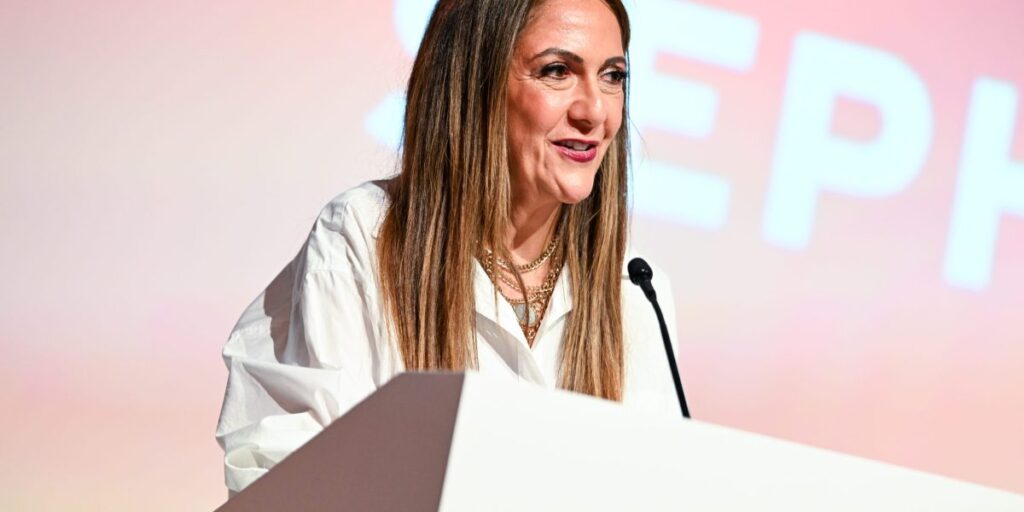
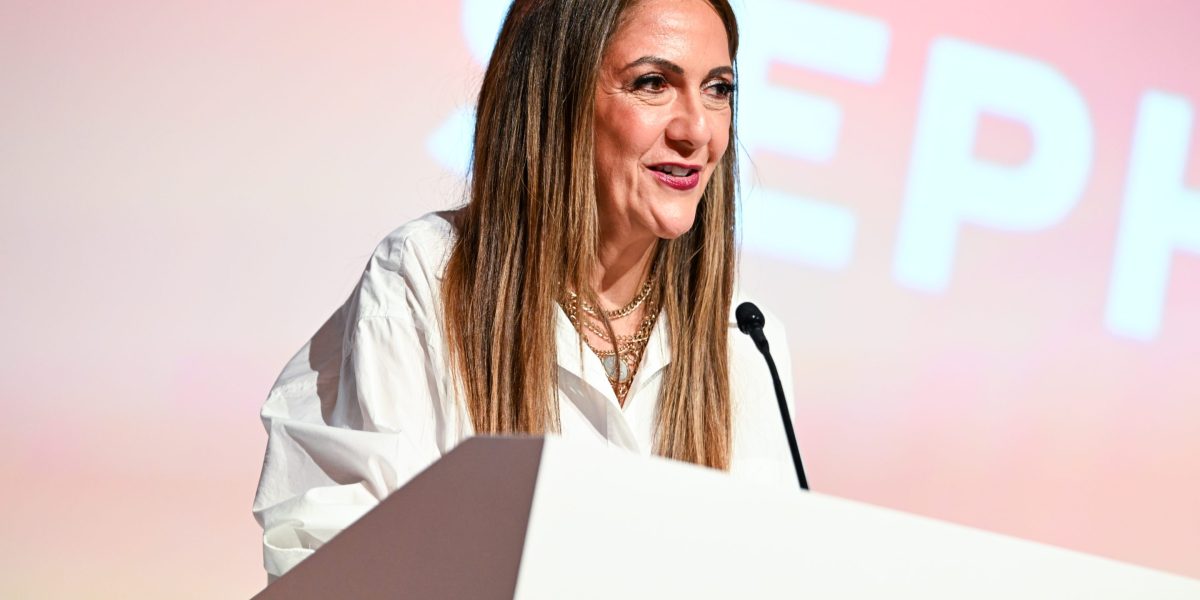
In 1998, Artemis Patrick turned down a job at a relatively small perfume brand that had just been acquired by the luxury giant LVMH. That company was Sephora, and 26 years later, she became its CEO.
Patrick stepped into the top job for the global beauty retailer’s North America division in April 2024, earning a shoutout in its parent company’s half-year earnings call in July for “good performance.”
But Patrick’s journey to the top of the cosmetics empire started with a detour into cigarettes.
Patrick was studying for her MBA at San Francisco State University when a friend introduced her to the LVMH brand, which was hiring for entry-level planning roles. Patrick initially went in to interview for a role at the duty-free giant DFS in the only category that was hiring: tobacco.
“I thought, oh my gosh, what am I going to be peddling cigarettes?” Patrick told the “How Leaders Lead” podcast in a recent episode. “This is crazy. So I [asked] if they had anything else, and she said, well there is this company called Sephora—LVMH just acquired it—and it sells fragrance.”
“Same salary, same building, because at the time Sephora was sharing the office floor with DFS. And I said, I mean, obviously I’ll take the beauty job. She said there’s only one catch: You have to wear black white, or gray.”
“And I said, I’ll take the cigarette job.”
Patrick, who emigrated to the U.S. from Iran at the age of 7, said her decision to take the DFS role rather than the beauty job wasn’t necessarily down to independence but rather to personal finances. After all, Patrick was a student, and her wardrobe was full of patterned dresses—she couldn’t afford to repurchase multiple monochromatic looks.
DFS turned out to be an “incredible opportunity” that took Patrick around the world and quickly propelled her from the cigarette category into wine. But in 2006, Sephora came calling again courtesy of a referral from Carolyn Bojanowski, now Sephora’s executive vice president for merchandising.
Patrick interviewed with the same HR representative she had turned down years before, and the corporate dress code of black, white, and gray (“concept colors,” as they were referred to at the time) was still in place.
“They’d added red to the concept at that point,” Patrick recalls. “It was actually another, I think, six or seven years before we added color.”
Building diverse teams
Patrick’s path to Sephora and then up its ranks wasn’t linear—after DFS she worked at Restoration Hardware and Peet’s Coffee & Tea—and said this diversity of experience is now precisely what she looks for when building her own teams.
“I feel that my job is to remove obstacles and to make sure that they get to do what we hired them to do,” added Patrick. “So I definitely believe in building diverse teams, and I do feel that my job as a leader is to protect them from the noise and deal with the things that I should be dealing with.”