Peter G. Neumann, Who Warned of Computer Security Risks, Dies at 93
For decades, he criticized the industry’s lax attitudes toward computer security and individual digital privacy. He also developed solutions.
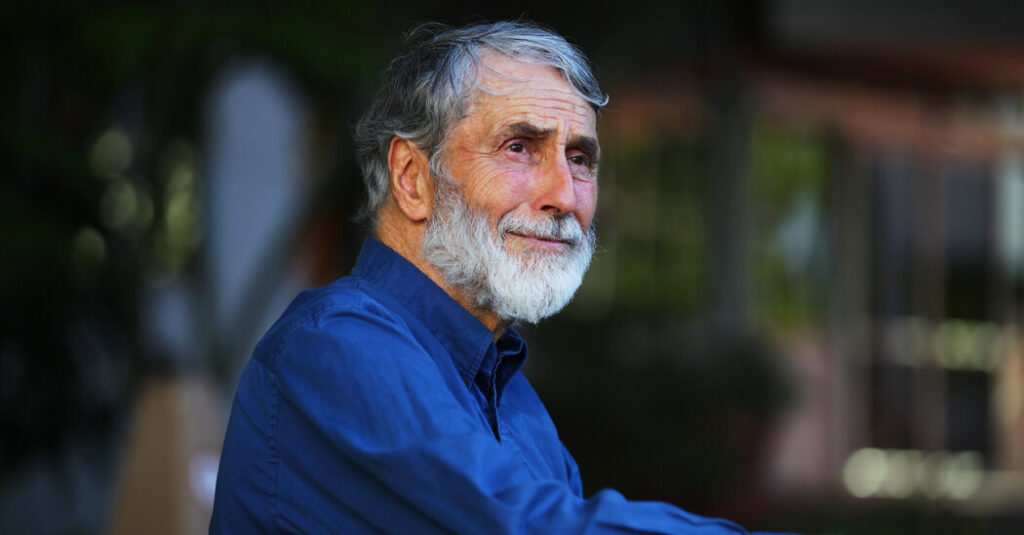
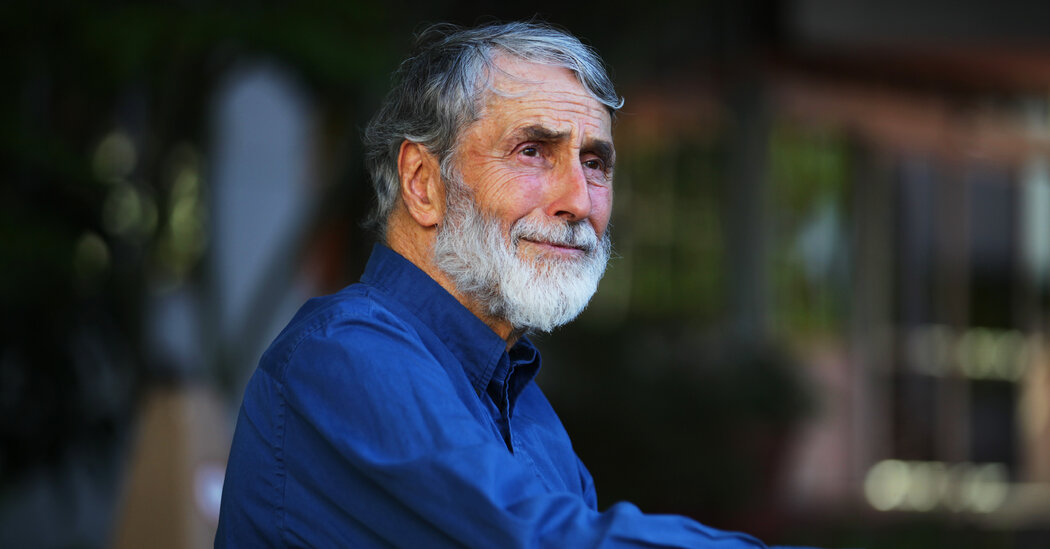
For decades, he criticized the industry’s lax attitudes toward computer security and individual digital privacy. He also developed solutions.
In November 1952, a Harvard sophomore, Peter G. Neumann, had a two-hour breakfast with Albert Einstein in which they discussed the physicist’s philosophy that “Everything should be made as simple as possible, but no simpler.”
For Dr. Neumann, who would become one of the nation’s leading computer security researchers, Einstein’s aphorism led to a lifelong romance with the beauty and perils of complexity.
Dr. Neumann died on Sunday in Santa Clara, Calif. His death, at a hospital, was caused by complications of a recent fall, his daughter, Helen Neumann, said.
He was 93 and was still working full time on a Pentagon-supported advanced computer security design that is being adopted by companies like Google and Microsoft.
Since 1971, Dr. Neumann (pronounced NOY-man) had worked as a computer scientist and security researcher at SRI International in Menlo Park, Calif., and he had long been a voice in the wilderness warning about a computer industry prone to repeatedly making the same mistakes.
In 2010, he began a research project that investigated how to guard against the most common types of security vulnerabilities. Funded by the Defense Advanced Research Projects Agency, or DARPA, the program, known as Cheri, developed a new approach to computer hardware that restricts software programs so that malicious instructions cannot be executed.