Meta Reassigns 7,000 Employees to Focus on A.I.
The company announced the changes two days before it plans to lay off 10 percent of its work force, or about 8,000 employees.
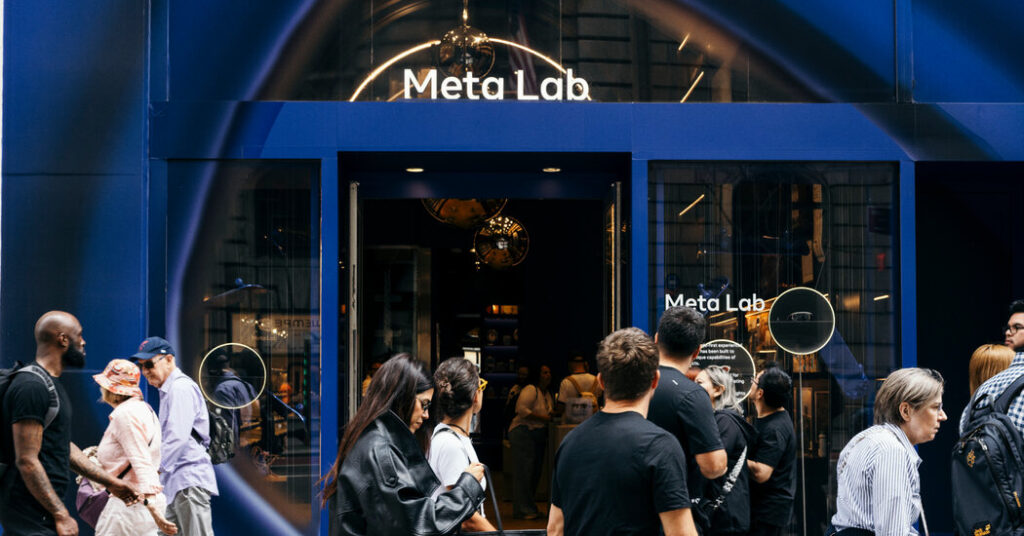
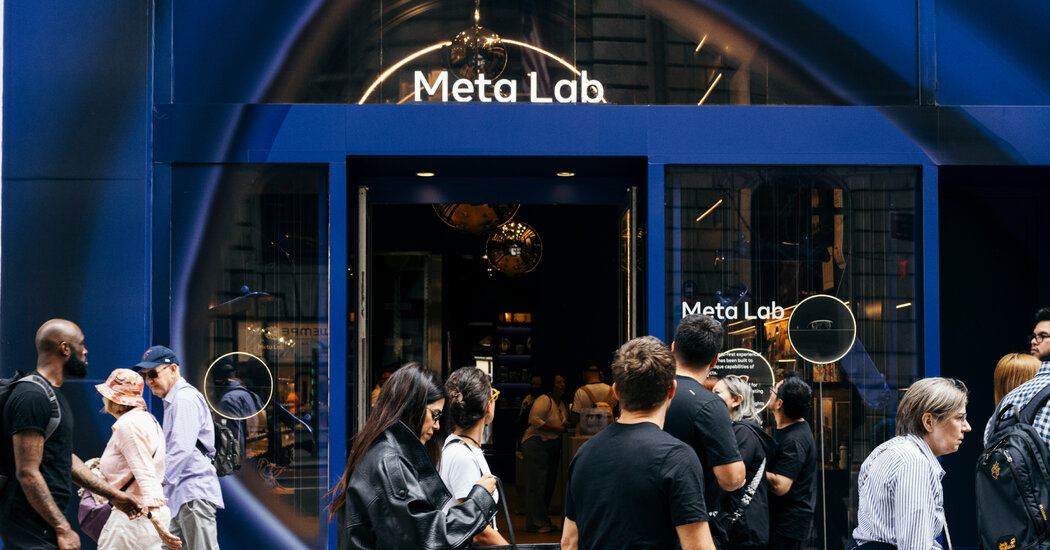
The company announced the changes two days before it plans to lay off 10 percent of its work force, or about 8,000 employees.
Meta told employees on Monday that it was reassigning 7,000 workers to focus on new initiatives around artificial intelligence, the latest change in a company transformation spurred by the powerful technology.
Employees will be moved to four new organizations focused on building new A.I. tools and apps, Janelle Gale, Meta’s head of human resources, said in an internal memo. The organizations will use “A.I. native design structures” and have fewer managers per employee than other parts of the company, she said, adding that company leaders will send details about the new roles on Wednesday.
The restructuring “will make us more productive and make the work more rewarding,” Ms. Gale wrote in the memo. Meta declined to comment further on the changes.
The reassignments were announced before layoffs of roughly 8,000 employees, or 10 percent of Meta’s work force, on Wednesday. The company, which owns Facebook, Instagram and WhatsApp, employed more than 78,000 people at the end of 2025. It had told workers late last month that some of their jobs would be cut as part of Meta’s effort to be more efficient as it invested heavily in A.I. development.
Across the tech industry, companies have been slimming down and refocusing their work forces in the age of A.I. Last week, the networking giant Cisco announced it was laying off 4,000 employees as it dedicated more resources to A.I. Microsoft, Block and Coinbase also recently announced reorganizations as a result of the technology.
Mark Zuckerberg, Meta’s chief executive, has bet the future of his company on A.I. Meta is investing in data centers to power the technology and keep up with A.I. rivals like Google, OpenAI and Anthropic. In a call with investors in January, Mr. Zuckerberg said the company planned to spend $115 billion to $135 billion this year, much of it on developing new A.I.