Google Hit With $1 Billion Fine By EU Over Search Engine Practices
At a tense moment for trans-Atlantic trade, the European Union accused Google of anti-competitive business practices.
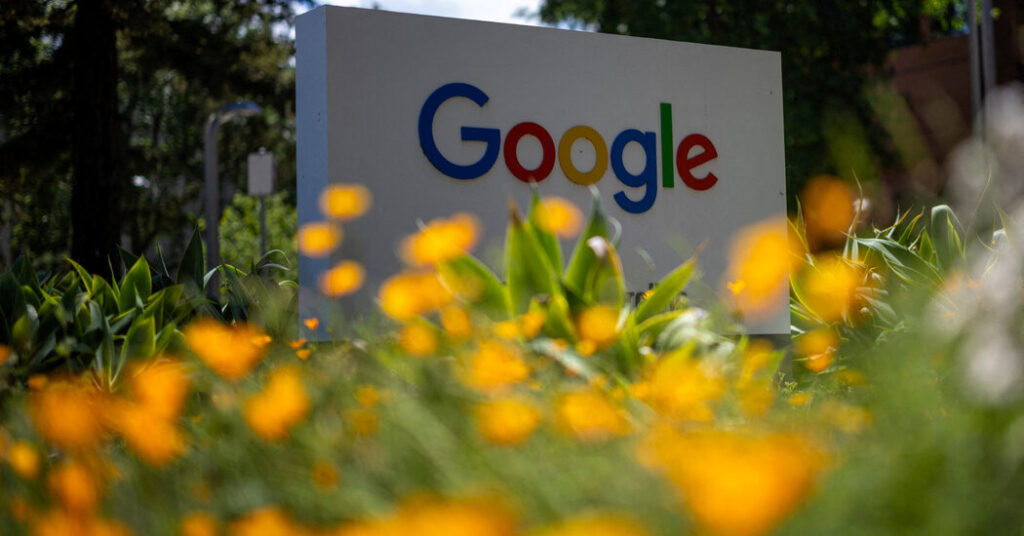
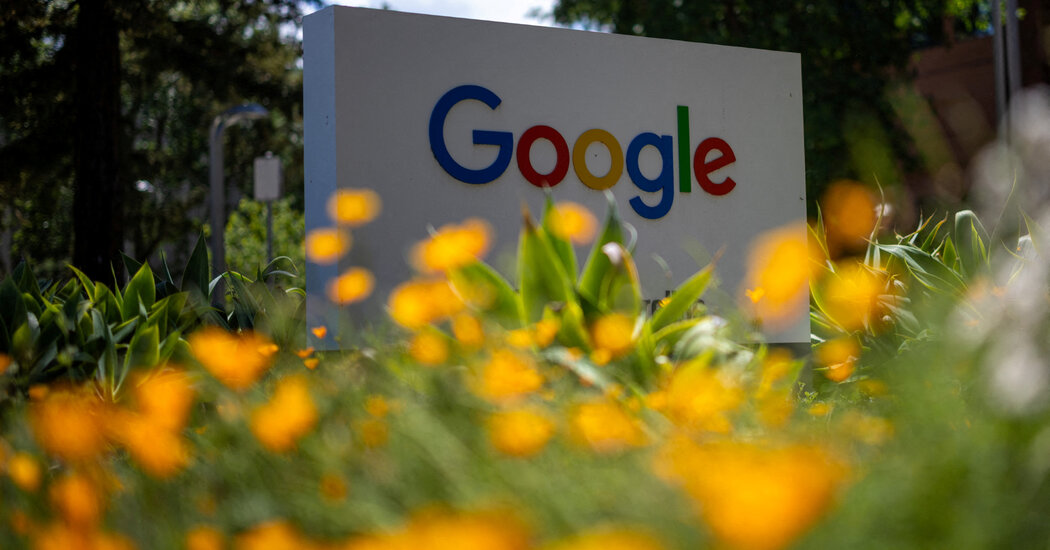
At a tense moment for trans-Atlantic trade, the European Union accused Google of anti-competitive business practices.
In a decision likely to intensify trans-Atlantic trade tensions, European Union regulators on Thursday hit Google with a $1 billion fine for illegally undercutting competition through its dominance as a search engine.
President Trump has previously threatened to retaliate against the European Union for what he views as the unfair targeting of American technology companies. The Google decision comes when he is weighing a new batch of tariffs on the European Union and other major trading partners.
In explaining Thursday’s fine of 890 million euros, regulators in Brussels said Google had used its position as the world’s largest search engine to unfairly boost its services in areas like shopping, travel, games and language translation. Google displayed its own services more prominently at the top of search results, while relegating competing services farther down the page, according to regulators.
The European Commission, which conducted the investigation, also concluded that the tech giant used unfair restrictions on its Google Play app store that prevent app developers from communicating with users, or conducting transactions that could reduce the fees Google can collect.
The commission, the executive arm of the European Union, said Google violated the Digital Markets Act, known as the D.M.A., a law passed in 2022 to stop the largest tech platforms from using their interlocking services to box in users and squeeze out rivals. Authorities have argued the biggest tech companies have become so dominant in areas like internet search, smartphones, e-commerce and social media that they serve as gatekeepers and determine the fate of other businesses and can harm competition.
“The best products should succeed because they’re better, not because they’re owned by the company running the search engine,” Teresa Ribera, the executive vice president of the European Commission overseeing competition policy, said in a statement on Thursday. “This is the promise of the D.M.A., protecting fairness, choice and innovation in digital markets for the benefit of all European citizens.”