
From the workplace to pop culture – why how we view women’s anger is changing
Studies suggest women are getting angrier, but are they just more open about it?
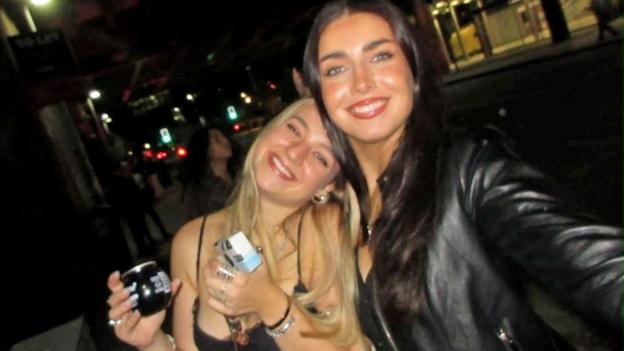

Music artist Chess Galea used to suppress any feelings of anger, fearing she would be branded as “hysterical” or “difficult to work with”.
From the “mental load” women carry to sexism in the workplace or – worse – violence against women, Galea says “we don’t realise how much we accept and how much we close our mouths”.
But now she says she simply lets it out: “If someone catcalls me in the street, I rage. I don’t care.”
Galea, 34, is one of an increasing number of women in the UK reporting feeling angrier than ever.
According to a global women’s health index published in June,one in five British women reported being angry during a lot of the previous day in 2024, up from one in 10 in 2020.
A separate Gallup report found that while both men and women around the world now report feeling more anger than before, the “emotional gender gap” has grown significantly.
What impact does that have on women’s professional and personal lives – and what can they do about it?
Anger in the workplace

Life coach Yann Dang, who coaches senior women in male-dominated fields, says constructive anger can actually boost women’s standing in the workplace.
Women who people-please and don’t show negative emotion can progress to a certain level on the career ladder, but to make it to the top you need to rock the boat, she argues.
“Women are so good at learning the rules when we know what the rules are. But the rules in the corporate world are totally different.”
Many women know they can perform well academically so long as they work hard and prepare, she explains – but when they get to the workplace, they may struggle as attaining success is less straightforward.
There is little available data on female anger at work. But one of the most recent in 2020 found that women expressing anger were seen as less deserving of status and influence, while their male counterparts were not.
The key, Dang says, is knowing how to harness that anger in a way that comes across as authentic.
She suggests women use direct language such as “That’s a hard no for me”; “I don’t like that”; and “I’m frustrated too.”
She also advises them to “build the muscle” of standing up for themselves, even if they don’t have a perfectly polished response ready.
‘Good girl’ complex

Are external factors making women angrier, or are they just acknowledging their feelings more?
It’s a bit of both, suggests psychotherapist Jennifer Cox, author and co-host of the Women are Mad podcast.
She started researching anger after suspecting her female clients’ suppression of it was the root cause of some of their physical conditions.
“There was this pattern of women coming in with migraines, stomach issues, musculoskeletal and immune issues. Ultimately it was hard to ignore,” she says.
“They were trying to keep their kids on track, look after their mental health and somehow do their job [too].”Cox later ran group sessions where many women let out pent-up feelings of anger.
“We’ve been brought up with this ridiculous ‘good girl’ stuff… indoctrinated in this idea of being good, polite, kind, thoughtful, caring,” she says.
“The big change from previous generations is that we are expected to do it all.”
Psychologist Dr Tara Brach agrees anger has its place.
“The key thing is under anger there’s something we care about. Anger is a messenger, it brings us energy to protect, confront injustices, set boundaries, to make a change.
“It becomes unhealthy when it possesses us, or when we act in ways that harm.”
To channel it effectively, Brach advocates mindfulness, in particular the “RAIN” strategy – recognise the emotion, allow yourself to experience it, investigate the cause, and nurture feelings of understanding.
Cultural shift
There are also more positive representations of angry women in the media.
Previously, characters like Alex Forrest (played by Glenn Close) in Fatal Attraction or Carrie (Sissy Spacek) in Stephen King’s horror classic were unequivocally unstable and dangerous.
But today female rage is increasingly positioned as understandable and even liberating, embodied for example by the glamorous but psychopathic assassin Villanelle in BBC spy thriller Killing Eve.

Take Lily Allen’s 2025 album West End Girl, which graphically documented the end of her marriage to actor David Harbour, as well as artists such as Charli XCX, Olivia Rodrigo and Chappell Roan releasing songs featuring violent imagery and even screams of rage.


On screen, even 2023’s smash-hit Barbie showed the iconic doll expressing frustration with her supposedly picture-perfect world.
These depictions of women’s anger are helpful and healthy, Cox says.
Alongside everyday sexism, ongoing threats including stalking, harassment and domestic abuse serve as powerful factors uniting women in anger and defiance.
Violence against women and girls accounts for nearly 20% of all recorded crime in England and Wales, but it often goes unreported.
For Galea, being able to discuss her experience of misogyny in the music industry as well as the sexual assault she was a victim of more openly with other women has helped to crystallise the frustration she feels.
“I think we’ve been angry for a long time but now we can access others because of social media,” she says, where she feels women are now more open about their unvarnished negative emotions than before.

Get in touch
How have you been affected by the issues raised in this story? Tell us about your experience.