
The German Auto Industry, a Pillar of the National Psyche, Is Trembling
The country’s iconic carmakers are struggling with tariffs, the growth of electric vehicles and intense competition from Chinese companies.
The country’s iconic carmakers are struggling with tariffs, the growth of electric vehicles and intense competition from Chinese companies.
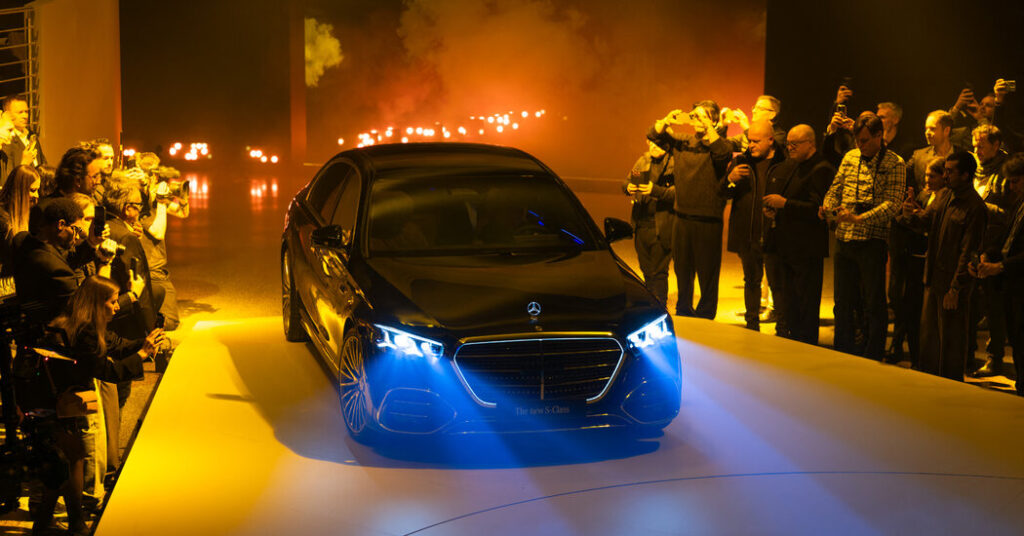
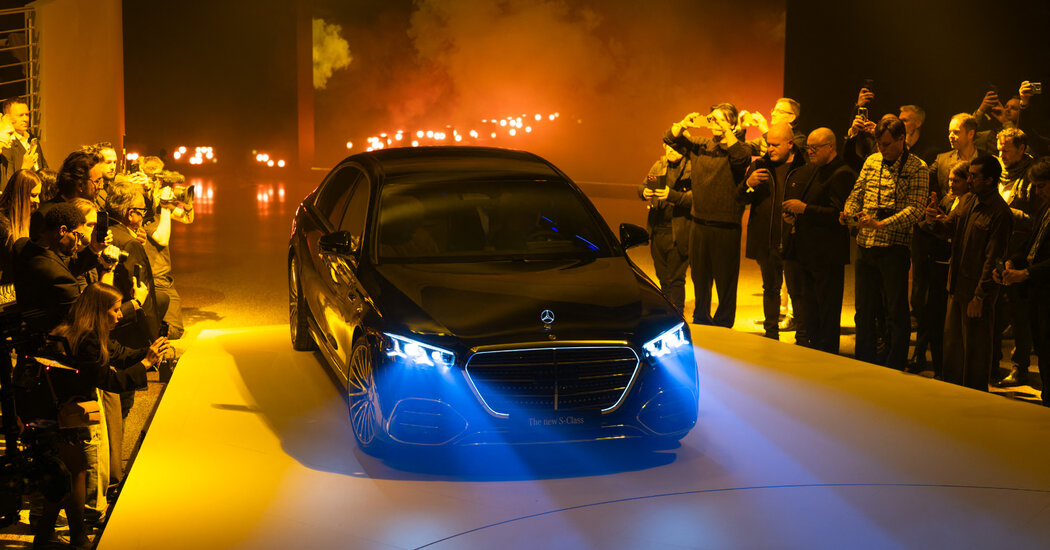
The centerpiece of Mercedes-Benz’s 140th birthday party in January was a patent application filed in 1886 by an engineer named Carl Benz for a “vehicle with gas engine.”
The way Mercedes executives spoke of the handwritten document, which at one point was projected on a large wall on the company campus in Stuttgart, Germany, it might have been a sacred parchment. It not only certifies that Germany is the birthplace of the automobile but also helps explain why the woes of the country’s automakers — Volkswagen, Mercedes and BMW — are a threat to more than just the German economy and the livelihoods of thousands of workers.
The carmakers’ woes also threaten the national identity, rattling a fragile governing coalition and fueling support for far-right politicians.
Germany’s automakers are struggling under the weight of American tariffs, Chinese competition and a rocky transition to electric vehicles. The gravity of the situation became clear this summer as Volkswagen executives discussed closing factories, canceling models and culling tens of thousands of jobs.
The crisis raises questions about whether the German approach of balancing profits with job security by, among other things, giving workers a strong voice in management is capable of adapting to breathtaking technological change. Chinese carmakers churn out new models in 18 months or less, a fraction of the time most Western carmakers take.
Along with chemicals and machinery, autos are “one of three sources of German strength rooted in the 19th century in areas where German engineers made great strides,” said Holger Schmieding, chief economist at Berenberg Bank.