New GP contract deal a ‘start’ but more funding needed, BMA warns
The Department of Health (DoH) said it will give an additional £40m across two years for “improvements in patient access and primary care activity”.
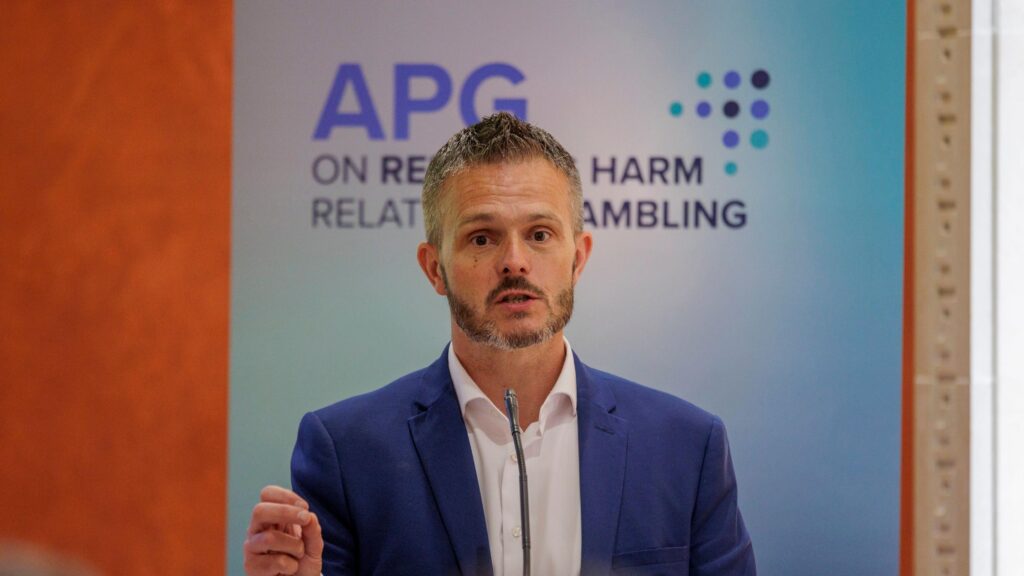

A new contract with GPs, accompanied by an extra £40m investment, will make it “easier” to get a doctor’s appointment, Northern Ireland’s health minister has said.
Robbie Butler has secured an agreement with GPs more than a year after family doctors withdrew some services in protest over a lack of adequate funding.
Dr Frances O’Hagan from the British Medical Association (BMA) said the £40m would be used to hire more GPs and receptionists to increase capacity in surgeries.
However, she said the investment was only “a start” and was “by no means all that we need” in order to address all of the demands that GPs are facing.
The total in-year value for the 2026/27 General Medical Services Contract is worth approximately £17m.
The Department of Health (DoH) said it had committed the extra £40m over two years for “measurable improvements in patient access and primary care activity”.
O’Hagan argued the “money that’s spent in Northern Ireland in primary care is woeful compared to what it is anywhere else in the four nations”.
“We are currently spending less than 5% of the [health] budget in primary care, for us to provide 95% of the consultations,” she told the BBC’s Good Morning Ulster programme.
“It is well recognised that a working budget – that is good for patients – is around 10%, so we’re about half of what we should be.”
O’Hagan, who chairs the BMA’s Northern Ireland general practitioners committee (NIGPC), suggested it was a small sum compared to the size of the population.
“If you’re looking at £20m per year… I mean, we’ve two million patients,” she said.
“That’s £10 per patient, per year. In reality what is that going to provide you?”

Butler, who was appointed in August, told the same programme that securing a new GP contract after the long-running dispute was a “first-day priority of mine”.
“This year the deal is worth about £17.7m and that’s been part of an ongoing negotiation with the GP federations and we’ve secured that and I think we’re in a good place,” he said.
Butler was asked where he had found the extra investment money at a time when Stormont had failed to agree a budget, and if such funding could be guaranteed.
“The additional £40m will come over this next two years and that will be subject to provisions within that [GP contract] deal, particularly towards the engagement in the neighbourhood model,” Butler said.

The neighbourhood model is the term used to describe the expansion of GP surgery services to include “multi-disciplinary teams” working from one site.
That means that other healthcare staff such as physiotherapists, mental healthcare workers and social workers hold clinics alongside GPs.
The minister said the multi-disciplinary provision was the “direction of travel for the wider health and social care sector”.
He agreed the £40m investment he had negotiated was “not a panacea” in terms of solving all the problems that patients face when trying to get GP appointments.
“But we do know that with the money that’s being invested in digital IT, that a lot of the solutions that will come forward will be achieved through modernisation of our systems,” he said.
Butler added: “There are some general practices which don’t seem to be having the same issues with patient access, so we need to see where the good practice is and then try to extend this right across the province.”
What is the GP contract?
A GP contract is a formal agreement between GP partners or practices and the DoH to provide general medical services.
In May 2025, Butler’s predecessor Mike Nesbitt imposed a disputed financial package on Northern Ireland GPs after they rejected the deal.
The move had triggered a work to rule, which included doctors ignoring non-essential paperwork, limiting appointments to the BMA’s recommended safe limit of 25 per day and the withdrawal of non-contractual services.
The chair of Stormont’s Health Committee gave a cautious welcome to the ending of the dispute between GPs and the DOH and the extra funding for GP services.
“It is welcome investment – it should improve care, it should improve access and it should improve patient outcomes,” Philip McGuigan told Good Morning Ulster.
However, he said the committee would want to see more details, including where the money was coming from.
“I’m a wee bit cautious because we have the minister saying there’s finality here and we have the BMA saying: ‘This is an improvement but we need to continue negotiations.’
“So I think patients – your listeners – will rightly judge this agreement on whether they can actually get an appointment when they need one. “
McGuigan added: “We want to see just exactly where the minister has found the money and the impact that might have on the wider healthcare system.”
Analysis: Funding falls short of what GPs say is needed
BBC News NI health correspondent Marie-Louise Connolly
Northern Ireland needs more GPs to deliver much needed appointments for the public.
Acquiring more GPs needs considerable long-term investment and what the department has announced appears to fall short of what general practice has said is required.
Recently, GPs told the Health Committee that general practice in Northern Ireland received less than 6% of the entire health budget.
Dr O’Hagan said that wasn’t nearly enough to fund the number of doctors required in each practice to meet growing demand.
While she said 10% of the health budget was the minimum they could accept – 15% was a longer term ambition.
Those figures translate closer to £80m per year as opposed to the £20m allocated by the health minister,
Clearly what is good about the funding announcement is that it ends a 12-month dispute between the department and GPs.
At least, if required, new negotiations can begin again.