Apple Introduces HomeView, a $299 Tablet for the Home
Apple unveiled the device as it continues its foray into artificial intelligence and tries to prove it can still innovate.
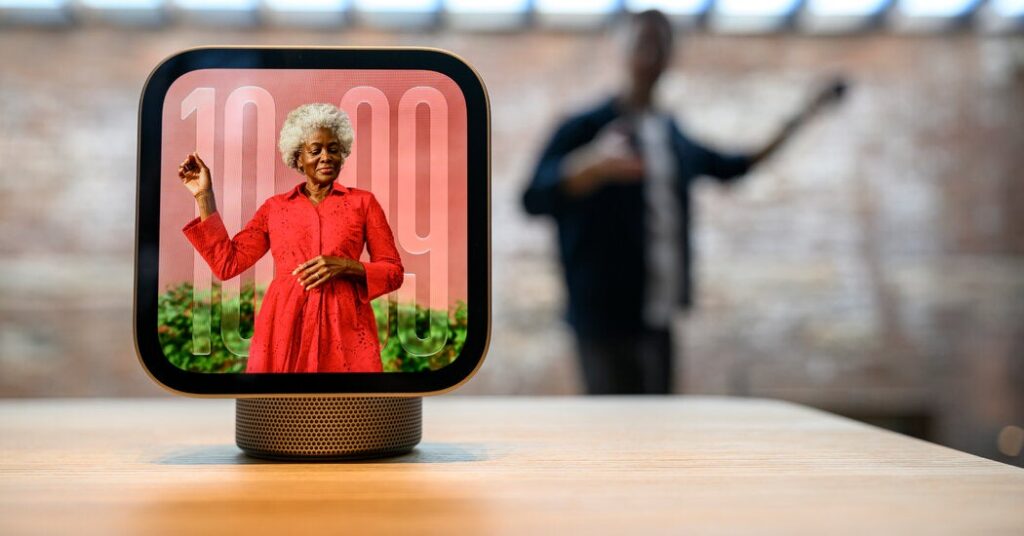
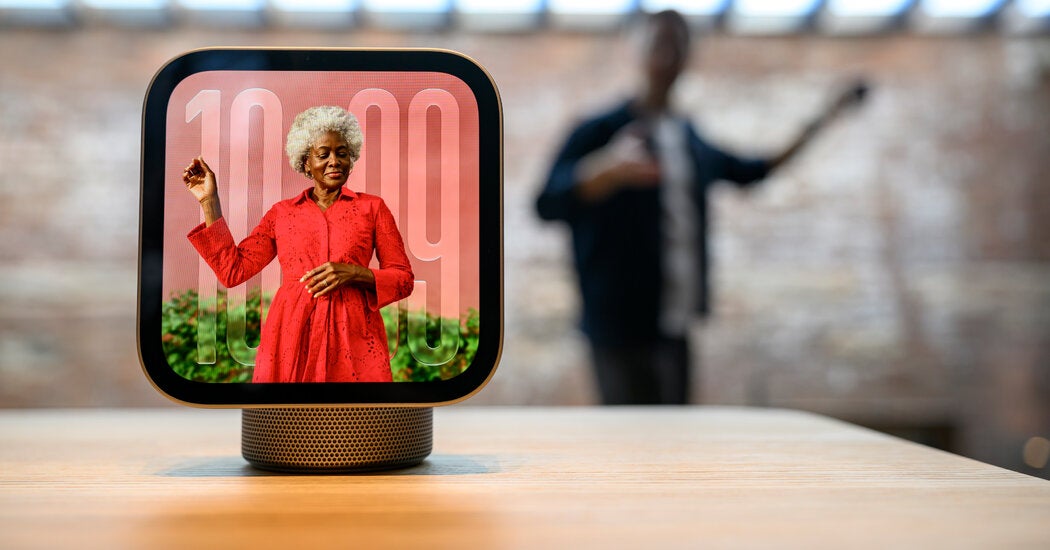
Apple unveiled the device as it continues its foray into artificial intelligence and tries to prove it can still innovate.
Apple introduced a new home smart device on Tuesday, as the company tries to breathe fresh life into its product lineup and make inroads in artificial intelligence.
At an event in New York, Apple unveiled the HomeView, a seven-inch tablet that will be able to recognize up to six members of a household and change its content based on who is using it. One version of the HomeView can be placed on a countertop, and another can be mounted on a wall. The device will start at $299 and be available for purchase starting Nov. 13.
“Apple HomeView is designed to be shared by everyone in the home yet feel completely personal to each user,” said Greg Joswiak, Apple’s senior vice president of worldwide marketing.
Apple’s announcement comes a month after John Ternus took over leadership of the company from Tim Cook. Mr. Ternus, who was previously Apple’s head of hardware engineering, inherited a company that has faced years of criticism for incrementally improving core devices like the iPhone and missing the mark on new bets like its mixed reality headset, the Vision Pro.
With last month’s debut of the iPhone Duo, which can open and close like a book, and Tuesday’s introduction of the HomeView, Apple is trying to prove it can still innovate. Although the company was not first to release a foldable smartphone or a home tablet, Apple is betting once again that it can win the market with a more polished device and a supply chain that can quickly deliver millions of a product.
The idea of a smart home — an ecosystem of internet-connected automated appliances, like thermostats and doorbells — has long existed. The concept has also struggled to catch on. Many consumers found the setup too complicated, with different companies making different devices with different standards. Consumers also became frustrated with privacy problems and software updates that made devices obsolete.