4 Strategies to Battle ‘Techflation’
With phone and computer prices soaring, it helps to know the true cost of owning electronics so you can bring those numbers down.
With phone and computer prices soaring, it helps to know the true cost of owning electronics so you can bring those numbers down.
Last week, when Apple announced its biggest change to the iPhone — a $1,999 foldable smartphone that snaps shut like a book — it also quietly made an update to the rest of its phones: price increases.
The prices for its flagship iPhone 17, its lightweight iPhone Air and the entry-level iPhone 17e all jumped by $100. The new iPhone 18 Pro, set for release this week, also costs $100 more than last year’s model.
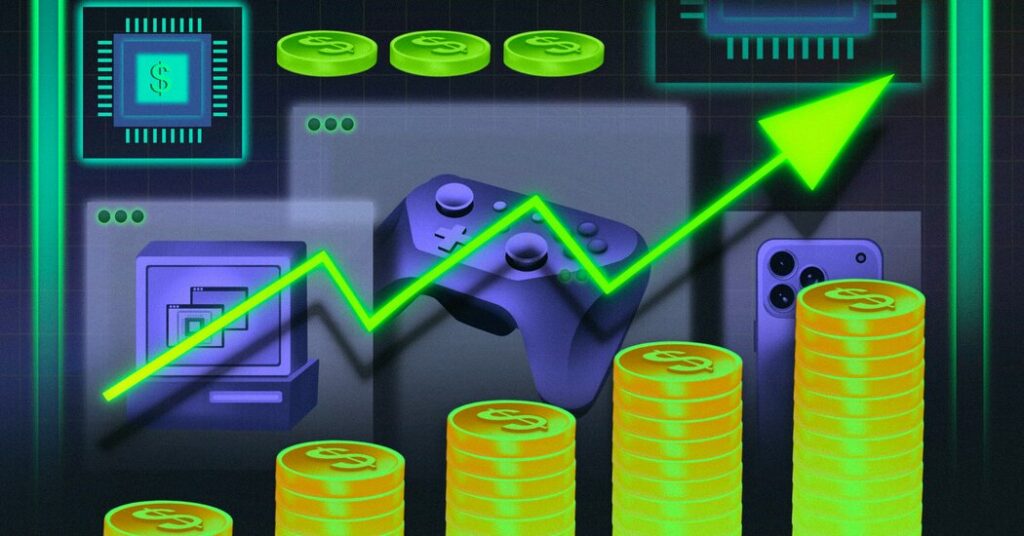
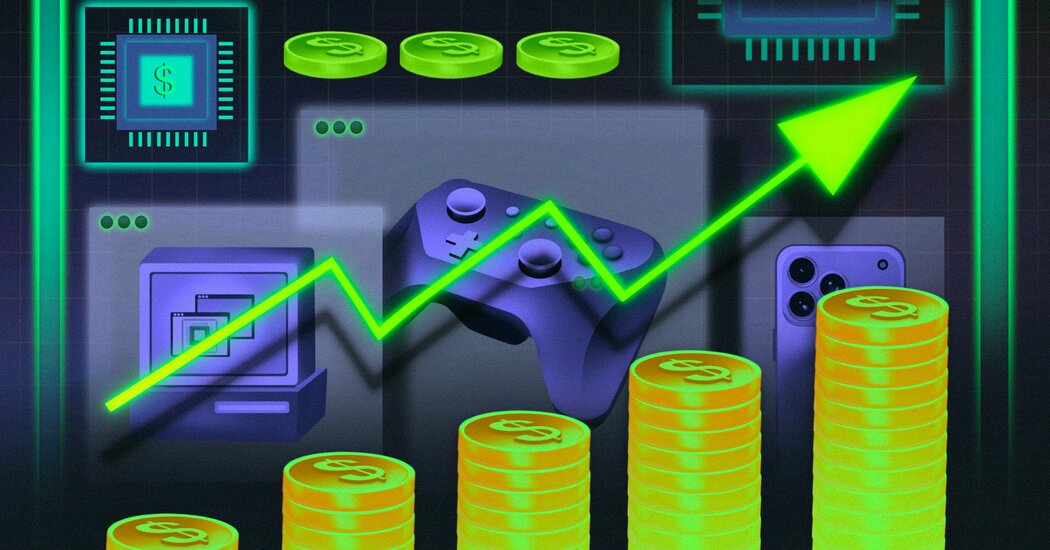
The across-the-board price hikes for iPhones were a sobering reminder that the “techflation” driven by the artificial intelligence boom has left practically no consumer electronics untouched.
Big companies like Nvidia and Advanced Micro Devices need more memory chips for data centers running A.I. systems, so the surge in demand has forced memory chip manufacturers like Micron to prioritize making those components for data centers. As a result, the cost of consumer-grade chips are going up, contributing to price increases for products like phones, tablets, computers and video game consoles.
Fret not. If you’ve been following this column, you may have noticed my frugal approach to tech purchases. The advice I’ve gathered from personal finance experts over the years on reducing the cost of owning electronics is still a potent remedy to superfluous spending.
Here’s what you need to know.
1. Consider a budget phone plan.
Keep in mind that there is a cost of ownership for a phone or a computer, similar to cars, said Ramit Sethi, a personal finance expert. Just like with a car, which requires payments for gasoline and insurance, you have to pay a wireless carrier to use a phone.