Half of vaccines are binned – ‘fridge-free’ versions could change that
Scientists have kept vaccines stable at room temperature for a year, which could transform global vaccination.
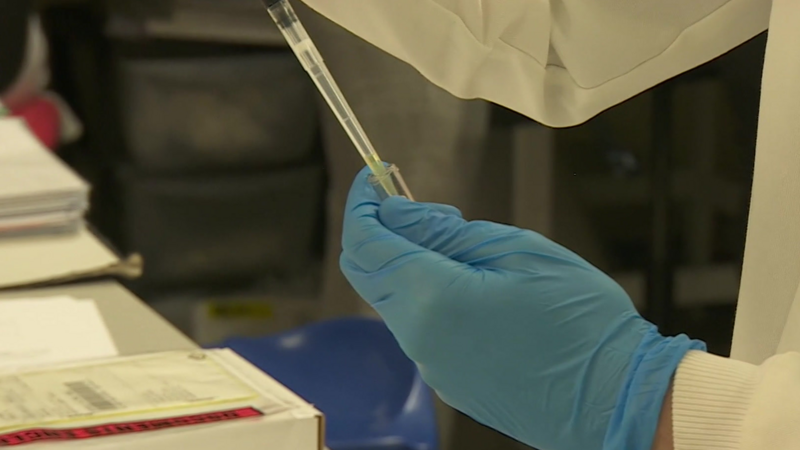

Vaccines that do not need to be kept cool in a fridge have been successfully trialled in patients for the first time, say UK scientists.
Currently, most vaccines need to be refrigerated or frozen – but around half are wasted each year, mainly because they become unusable after getting too hot or too cold.
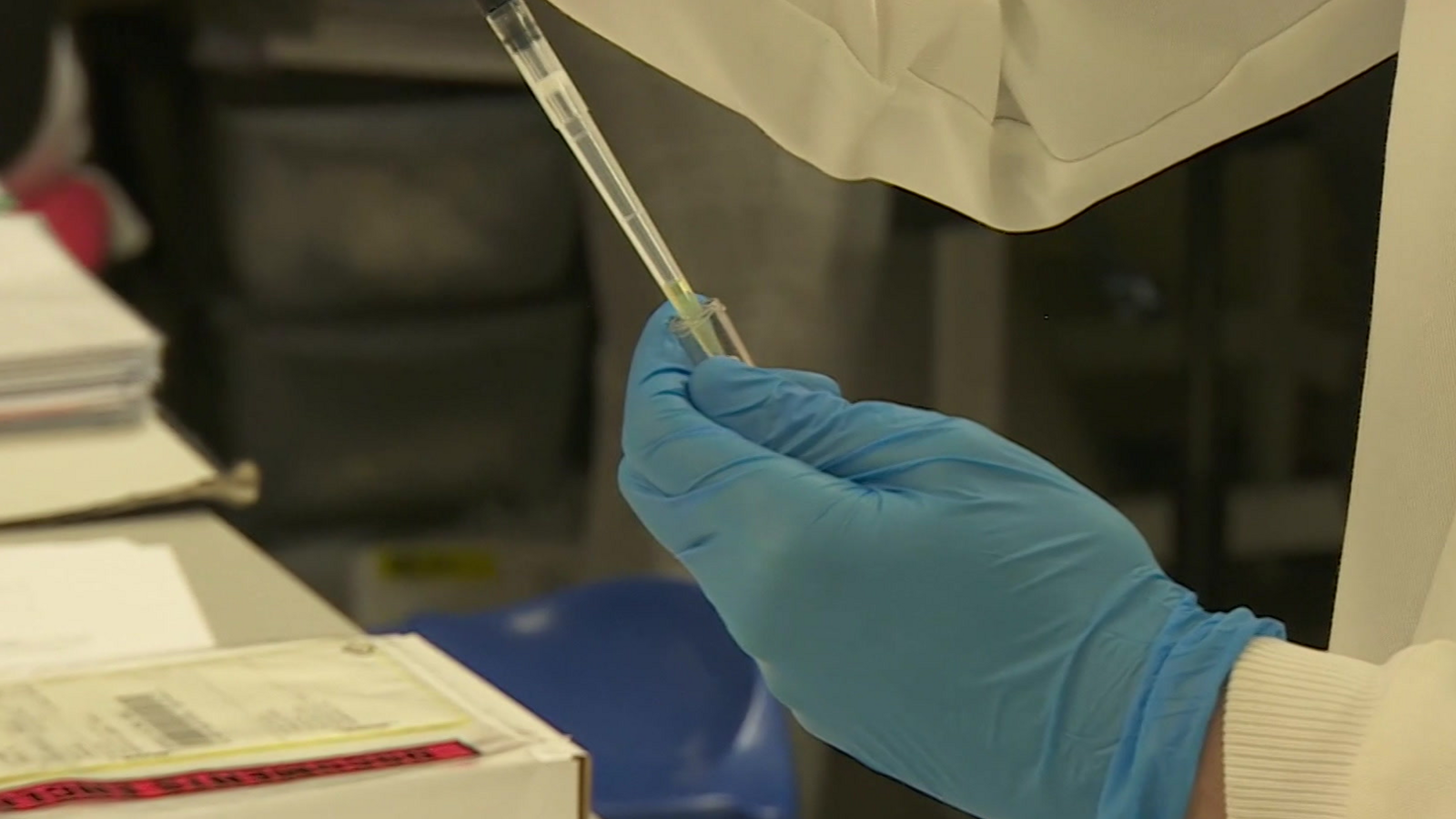
In the trial, which involved 60 volunteers, company Stablepharma converted a liquid tetanus-diphtheria vaccine into a “fridge-free” version by keeping it as a dry powder for a year at room temperature before mixing it with water and injecting it.
The ‘cold chain’ challenge
Vaccines often need strict temperature control during storage and transportation, from the moment of manufacture up until being injected into a patient’s arm.
This practice is known as the “cold chain” and is especially challenging in the poorest and most remote parts of the world or in war zones, where fridges may be scarce and electricity unreliable.
The UK’s National Institute for Health and Care Research (NIHR) has been testing the new “fridge-free” approach.
The new technology is inspired by resurrection plants, which dry out and appear dead during a drought, before springing back to life when it rains.
The plants produce large amounts of a sugar called trehalose, which stabilises the plant’s cells during a drought.
The trial dried out the tetanus-diphtheria vaccine with trehalose to protect its vital components.

Prof Saul Faust, the director of the NIHR Clinical Research Facility in Southampton, said it gave “equivalent” immune responses to the conventional vaccine as well as being “safe and well tolerated” in the early stage studies.
Faust added: “This obviously has potential to remove cold chain dependence, reduce wastage and improve access.”
A larger trial involving 160 people is already due to start in the coming months.
This would be the final stage of research as the original vaccine is already approved and licensed so there is no requirement to perform large-stage trials needed for a novel vaccine.
The studies are being done to meet the World Health Organization’s (WHO) goal of a vaccine that survives at 30C and 75% relative humidity.
But the research team say separate data shows the components of their vaccine also survive cycling between temperatures of -20C and +40C. That could mean the vaccine being viable after transport in a cold aircraft hold and then in the back of a truck in the heat.
There is not one single reason vaccines are wasted and disposed of, but the WHO estimates this is the fate of half of all vaccines globally. This can include damage in transport, passing the expiration date, and unused doses from multi-dose vials, but a major factor are failures in the cold chain.

Prof Sir Jonathan Van-Tam, the former deputy chief medical officer for England and an advisor to Stablepharma, used to work in remote field clinics.
“I can remember taking out vaccines in cool boxes… doing that on really inhospitable roads where one couldn’t predict getting from A to B in a short period of time and there was always this nervousness about maintaining the cold chain in time to get the vaccines into arms of waiting children.”
The new mRNA vaccine could not be adapted using this approach, but many current vaccines could be stabilised with the sugar trehalose.
It could also work for some medicines – such as monoclonal antibodies – which need to be kept in a fridge.

Prof Tuck Seng Wong is the director of the UK-Southeast Asia Vaccine Manufacturing Research Hub but was not involved in the study. He said it was “very exciting” and a “significant breakthrough in UK science”.
But added there were still “several areas” that still needed investigation, including how stable the vaccines are when the temperature is regularly fluctuating and how well the vaccines perform in both larger and more ethnically diverse groups of people.
The findings have been published in eClinicalMedicine, part of the Lancet group of journals.
Ephrem Tekle Lemango, the associate director of immunization at Unicef, said immunisation was a “life-saving service that depends on refrigeration” so “this innovation could help us vaccinate more children and pave the way for a future of fridge-free vaccines”.
Dr Bruce Roser, the founder of Stablepharma, said: “Reliable and safe fridge-free vaccines could be a game-changer for global health – helping life-saving vaccines reach millions more people, wherever they live, and making immunisation programmes more sustainable, reliable and equitable for future generations.”
Related topics
-
-
29 April 2025
-