Silicon Valley’s A.I. Lobbying Blitz Reaches a Fever Pitch
OpenAI and Anthropic are opening offices in Washington, hiring lobbyists and spending more than ever to win over federal lawmakers.
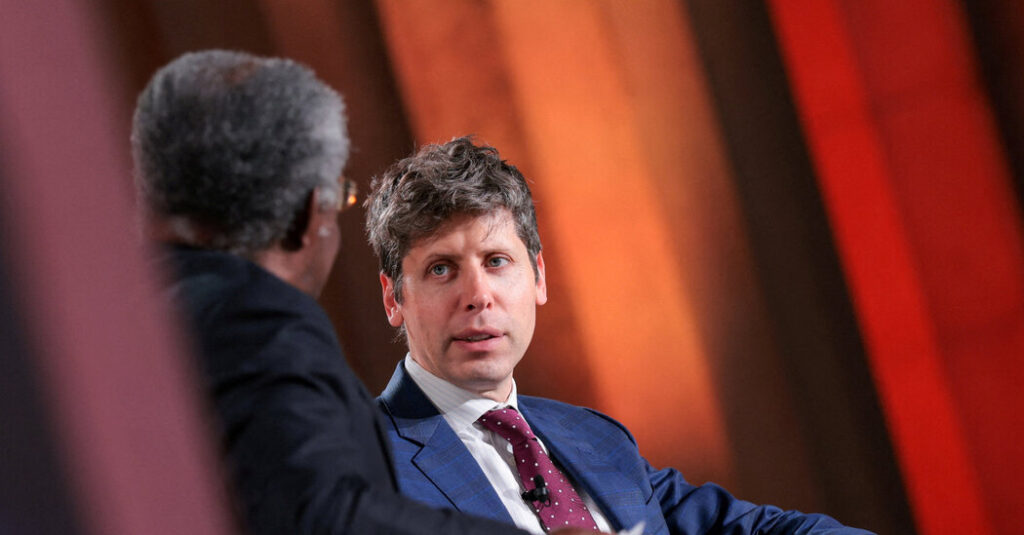
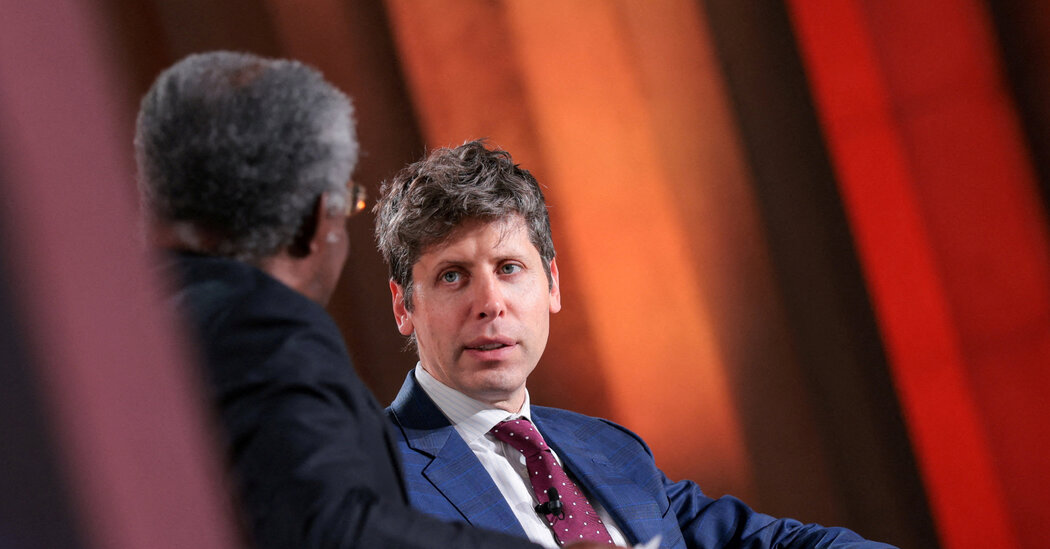
OpenAI and Anthropic are opening offices in Washington, hiring lobbyists and spending more than ever to win over federal lawmakers.
OpenAI plans to host the grand opening of its first lobbying office in Washington, called the Workshop, on Wednesday. The artificial intelligence start-up has said it created the space — part lab, part showroom — just blocks from the White House to better work alongside lawmakers.
The office is part of OpenAI’s increasingly aggressive push to sway A.I. policy. The company has lobbied for the proliferation of data centers, which are needed to power the technology, and pressed to freely use copyrighted material. It spent $1 million on federal lobbying in the first quarter, double the amount a year earlier, according to congressional disclosures.
Also downtown, an A.I. rival, Anthropic, opened its first office in Washington in April, as it battled with the Pentagon over the use of its technology. It has hired six lobbying firms in recent months and increased its spending on Washington lobbying tenfold to $3 million last year, according to disclosures.
The activity by A.I. companies in the nation’s capital has reached a fever pitch, as they open offices, hire lobbyists and host large conferences to pitch policy ideas and promote their technologies.
A quarter of the 13,000 federal lobbyists in Washington are involved in A.I. issues, up from 11 percent in 2023, according to an analysis of congressional disclosures by Public Citizen, a nonprofit watchdog group. Meta, Nvidia and Alphabet, Google’s parent company, spent a combined $47.8 million on federal lobbying last year, up 22 percent from 2024, according to Senate disclosures. Meta and Alphabet were top corporate spenders.
“We’re seeing an unprecedented deluge of money being poured by A.I. companies into lobbying in order to protect their bottom lines and their images at a time when Americans are very anxious about the technology,” said Isabel Sunderland, the policy lead for tech at Issue One, a nonprofit government accountability group.