American Factories Lag in Adopting A.I. This Drugmaker Is an Exception.
A Bristol Myers Squibb plant that makes cancer drugs was the only manufacturer in the U.S. recognized for innovation by the World Economic Forum this year.
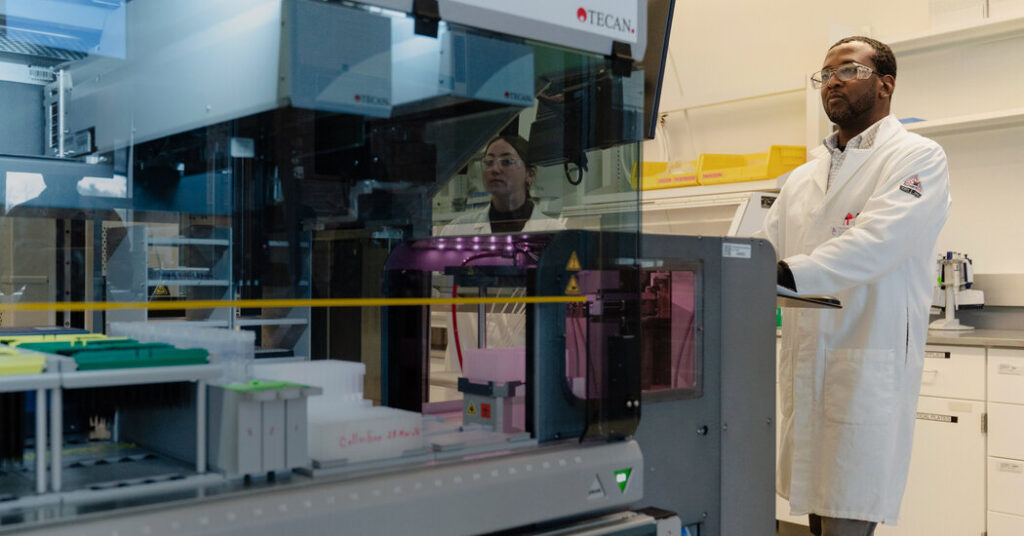
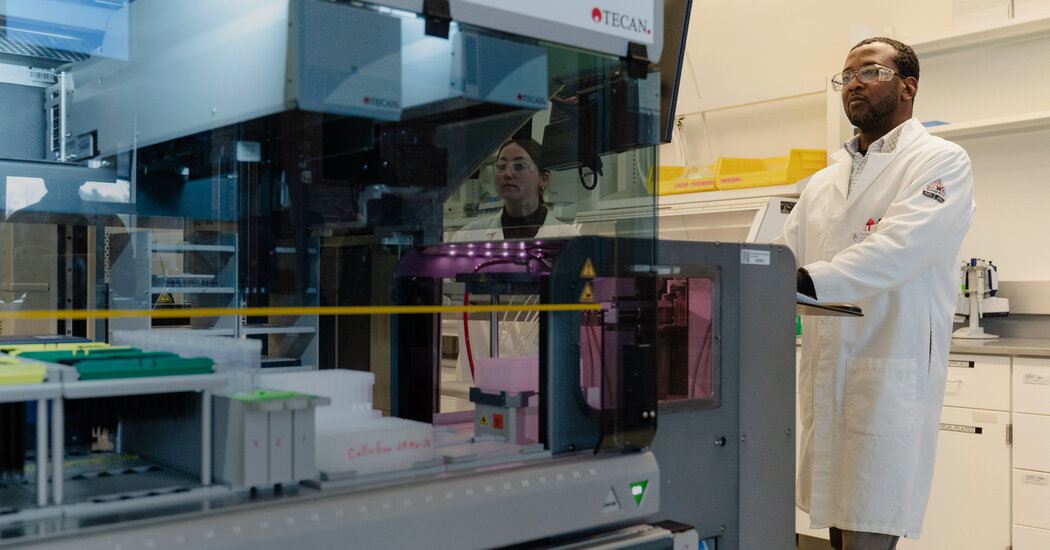
In a sterile Bristol Myers Squibb lab about an hour north of Boston, scientists in scrubs and hairnets transfer living cells to a 2,000-liter stainless steel bioreactor that grows them for weeks. The goal is to produce proteins that are genetically engineered to attack cells that cause disease.
Tiny variations in heat, light or pH level can stop the cells from growing, causing drug shortages that endanger patients. Typically scientists would have to wait to see what went wrong during that fragile process, but now artificial intelligence is used to carefully monitor important variables — such as temperature and oxygen levels — and alert technicians if there are problems.
Every year the World Economic Forum and McKinsey recognize manufacturers that are on the cutting edge of technology, including artificial intelligence. This year, the Bristol Myers Squibb facility in Devens, Mass., was the only manufacturer in the United States that made the list of 23.
While American companies typically lead in artificial intelligence research and capital investment, U.S. manufacturers often struggle to translate those breakthroughs into productivity gains on the factory floor.
Of the 223 factories that have made the World Economic Forum’s Global Lighthouse Network list since 2018, 14 have been in the United States, while 99 are in China. Of the American ones, four are in the pharmaceutical and life sciences sector.
“China is scaling faster,” said Rahul Shahani, a partner at McKinsey who works with the World Economic Forum on the initiative. He added, “They have technologists in the factories — hundreds of them — while in the U.S. we’re competing for that same talent with Silicon Valley.”