A year after LA wildfires destroyed thousands of homes, fewer than a dozen are rebuilt. Here what’s slowing recovery
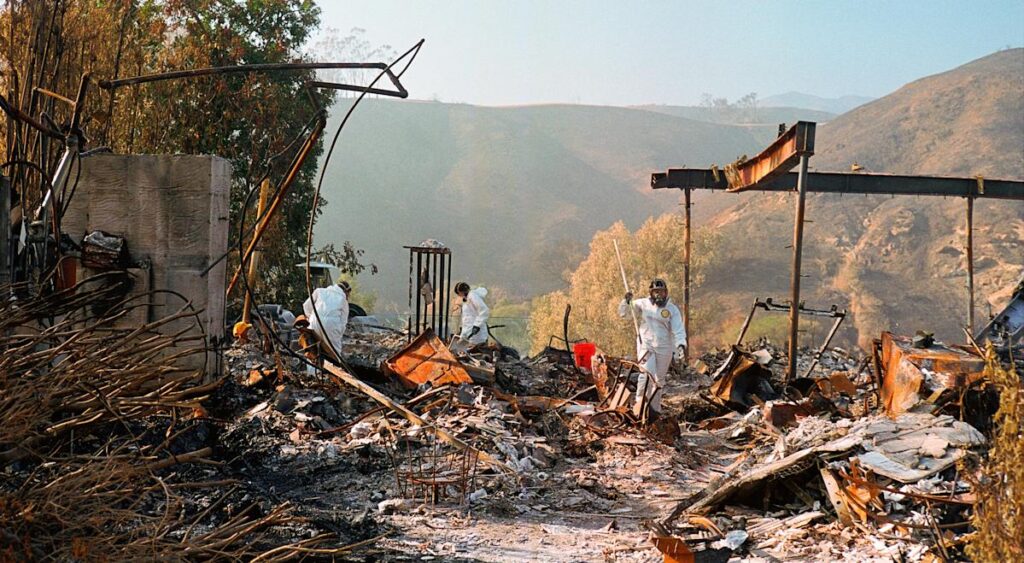
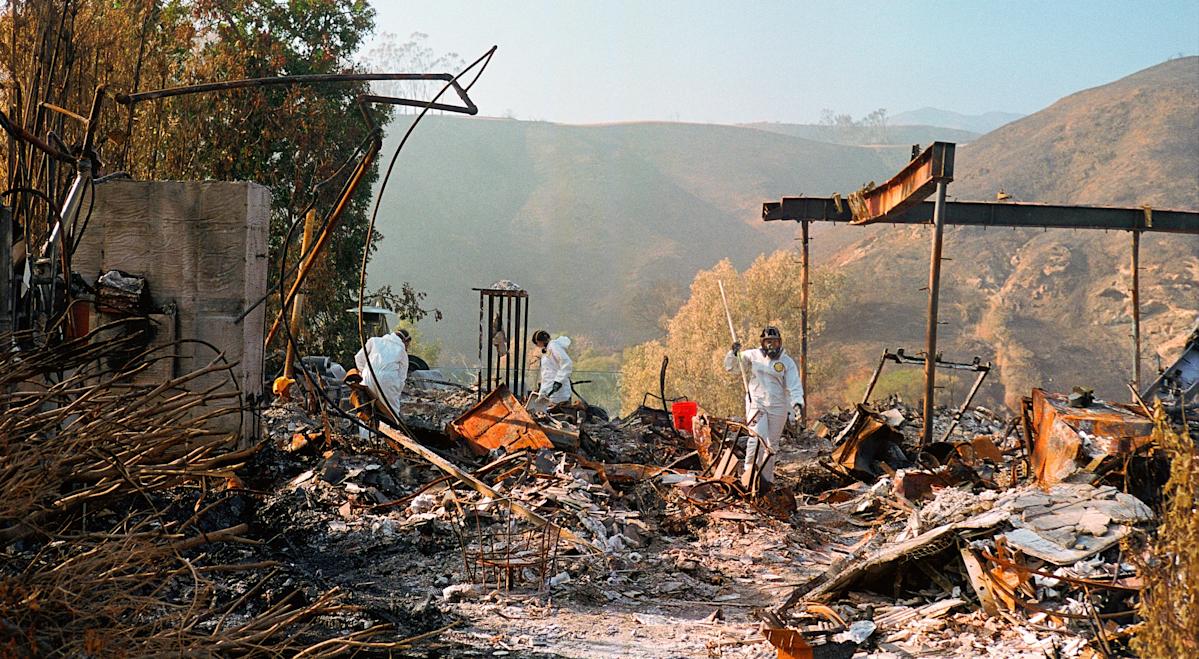
More than a year after walls of flame tore through the Los Angeles-area towns of Pacific Palisades and Altadena, the scars are still everywhere.
Vacant dirt lots stretch to the coastline. Streets go dark at night. And for thousands of families, the idea of “going home” remains out of reach.
Wildfires that erupted across the L.A. region on Jan. 7, 2025 killed at least 31 people and destroyed more than 16,000 buildings. While hundreds of homes are under construction or in planning (1), fewer than a dozen have been fully rebuilt and reoccupied (2). While debris has been cleared and permits approved, most survivors remain stuck financially, legally and emotionally.
The slow recovery exposes a harsh reality: rebuilding after a disaster is as much about insurance gaps, cash flow and rising costs as it is about construction.
“I feel like I’m stuck,” Karim Jaime told The New York Times after her insurance company stopped paying for living expenses in February. Her West Altadena home was rendered uninhabitable by wind damage and toxic contamination after the fire. Allstate ended the payments, she said, citing insufficient documentation (1).
She and her husband have used their savings and credit cards to pay for a two-bedroom apartment for their son, dog and Jaime’s elderly mother. Adding insult to injury, they’ll face a $30,000 bill for back payments after their mortgage forbearance ends, even though what they’re paying for remains unlivable (1).
“I see people rebuilding, and I think, ‘Oh my gosh, they’re rebuilding,’” Jaime said. “And I see my house still standing, but I can’t live there” (1).
More than 70% of displaced residents remain displaced, according to a recent survey by the nonprofit Department of Angels, which advocates for wildfire survivors. Four in 10 survivors have taken on debt, and nearly half have depleted much of their savings (3).
Many California homeowners are underinsured, meaning policy limits don’t cover full rebuilding costs, especially after wildfires and other catastrophes (4).
“We’re seeing huge gaps between the money insurance is paying out, to the extent we have insurance, and what it will actually cost to rebuild,” Joy Chen, executive director of the Eaton Fire Survivors Network, told the Associated Press (5).
By December, fewer than 1 in 5 homeowners who lost their homes entirely had finalized insurance claims, Department of Angels said. Many insured residents say the process has been slow and frustrating, especially those covered by State Farm or California’s FAIR Plan, which together insured about a third of respondents (5).
After Los Angeles County opened a civil investigation into State Farm’s claims practices in November, advocates say payouts increased, and State Farm says it has handled 13,500 claims and paid more than $5 billion (5).
Read More: The average net worth of Americans is a surprising $620,654. But it almost means nothing. Here’s the number that counts (and how to make it skyrocket)
A handful of rebuilds are complete, and they share a common thread.
Ted Koerner, a 67-year-old Altadena resident, was among the first to finish rebuilding after fire destroyed his home. He didn’t wait for insurance. Instead, he tapped his retirement savings and pushed construction forward immediately.
“That’s the only way we were going to get it done,” Koerner told the AP, explaining that he feared delays would mean his 13-year-old golden retriever, Daisy Mae, might never see their rebuilt home (5). But most families don’t have the ability to drain retirement accounts to get back home. Without upfront cash, homeowners are forced to wait for insurance settlements, Small Business Administration loans, FEMA aid or legal settlements before committing to rebuilds that can easily exceed $1 million.
As delays stretch on, the financial pressure compounds.
More than 600 properties where single-family homes were destroyed have already been sold, the AP reported, while others remain on hold as homeowners struggle to decide whether rebuilding is financially possible at all (5).
Jessica Rogers told the AP she lost her home in the Palisades fire, then later learned her insurance coverage had been canceled. She eventually landed a low-interest SBA loan for $550,000, but she’ll need more to cover her costs. “Do I empty out my 401(k) and start counting every penny in a penny jar around the apartment?” Rogers said (5).
For homeowners in wildfire-prone regions, preparation can make the difference between delay and disaster.
Experts recommend reviewing insurance policies annually to confirm dwelling limits reflect today’s construction costs, not pre-fire values. Coverage for additional living expenses should be clearly defined and sufficient to cover months, not weeks, of displacement.
Keeping a digital inventory of home contents, upgrades, and receipts can speed claims and reduce disputes. Financially, maintaining an emergency cash reserve outside retirement accounts can provide crucial flexibility if payouts stall.
A year after the fires, the lesson is clear: recovery isn’t delayed by a lack of construction. It’s delayed by insurance gaps, cash shortages and systems that move far slower than disaster does.
We rely only on vetted sources and credible third-party reporting. For details, see our editorial ethics and guidelines.
New York Times (1); ABC News (2); Department of Angels (3); San Francisco Chronicle (4); AP News (5)
This article provides information only and should not be construed as advice. It is provided without warranty of any kind.