World-famous department store to close 150 sites from mid-January
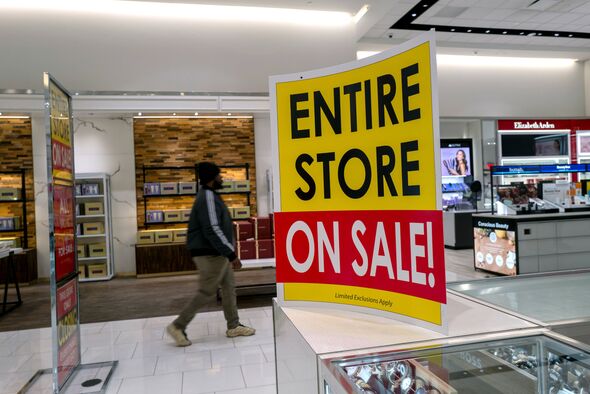
The move comes amid a new strategy to reverse losses seen in recent years.


Macy’s Inc. has announced a raft of store closures, with as many as 150 “unproductive” locations set to shut. The iconic retailer, which has a flagship store in central New York City, is set to close stores in a dozen US states.
The department store chain announced the move as part of its “Bold New Chapter” in February 2024, which will see it prioritise investment in the remaining 350 stores. Macy’s CEO Tony Spring said in a memo on Thursday: “In executing our strategy, we continue to review our portfolio and make careful decisions about where and how we invest, including closing underproductive stores and streamlining operations. These decisions are not made lightly.
“We communicated directly with affected colleagues first and are providing support, including transfer opportunities where available, as well as severance and outplacement resources where applicable.
“We thank all those colleagues for their dedication and service to the company.”
Spring added that the company will provide support to impacted employees, including transfer opportunities where available, as well as severance and outplacement services.
Neil Saunders, managing director GlobalData’s retail division told Forbes that despite the pain of store closures, the company’s new strategy of prioritising other stores was starting to pay dividends.
He said: “Macy’s has worked hard to make investments and move the proposition forward, and it is being rewarded with better results.
“This gives management confidence in keeping stores open and continuing to evolve them for the customer.”
The “Bold New Chapter” strategy was seen as an attempt by the flailing business to turn around its fortunes after struggling amid steep declines in like-for-like sales.
The company saw a 3.3% fall in sales in 2022 followed by a 6.6% drop in 2023. Macy’s Inc. does not disclose revenue on a brand-by-brand basis.
Alongside the closure of underperforming stores, the company has attempted to refresh merchandise mix, improve relevance and value and upgrade stores to deliver a more seamless, friction-free experience across physical and digital channels.
Following the decision to axe 150 stores, the company designated 350 stores as part of its long-term estate, reports Forbes.
Within this group, a smaller cohort—initially 50 stores and later expanded to 125—was selected to pilot the Bold New Chapter programme, testing the transformation model and demonstrating its viability at scale.