Inside Silicon Valley’s ‘soup wars’: Why Mark Zuckerberg and OpenAI are hand delivering soup to poach talent
Mark Zuckerberg’s soup is handcooked. OpenAI’s soup comes from a high-end Korean restaurant. It’s soup for the AI soul.
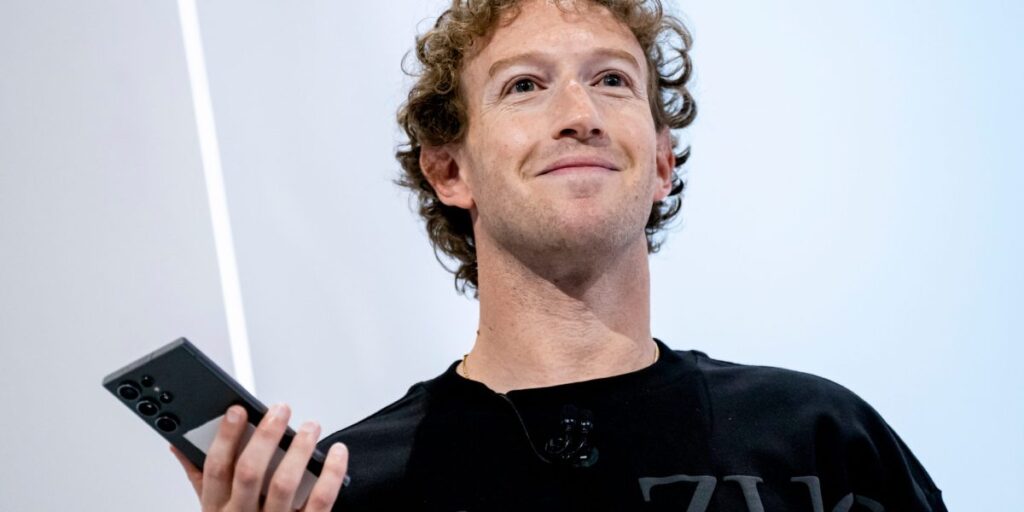
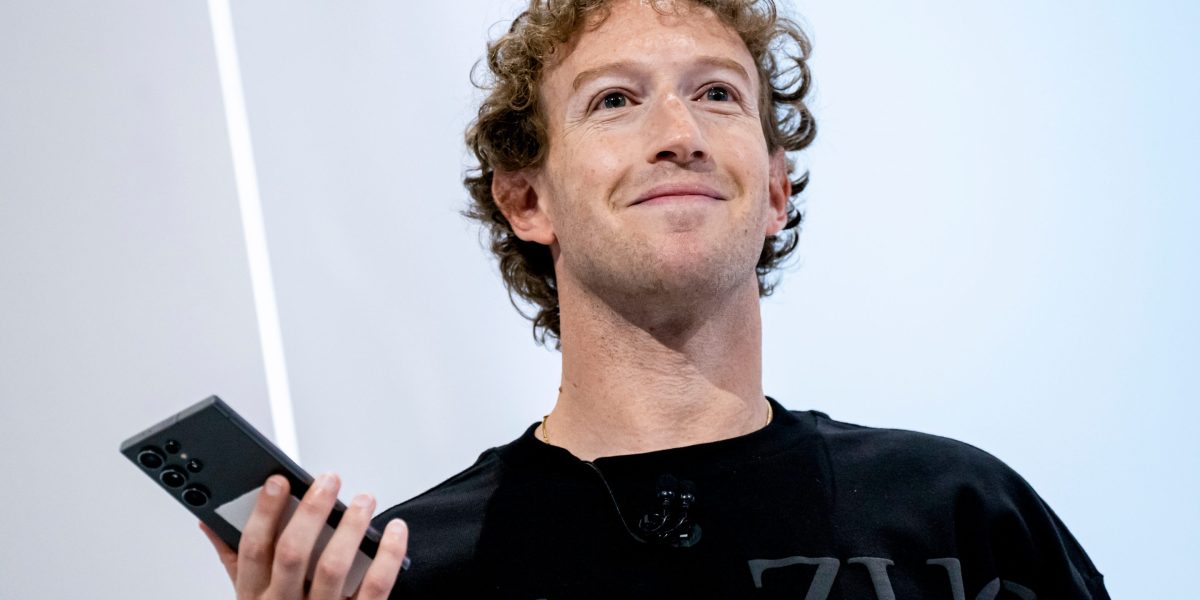
In the high-stakes arms race between Meta and OpenAI for AI dominance, the weapon of choice has evolved. First, it was unlimited compute, then, $100m signing bonuses. Now, the battle has entered a new, bizarerely intimate phase: soup wars.
Mark Chen, the Chief Research Officer at OpenAI, said in a podcast with tech podcaster Ashlee Vance that the recruitment war has shifted. According to Chen, Meta has aggressively pursued half of his direct reports—backed by a $10 billion war chest for talent—but CEO Mark Zuckerberg has added a personal touch to the poaching attempts.
Zuckerberg, Chen said, has personally “hand-cooked” and “hand-delivered” soup to researchers he wanted to recruit away from OpenAI. And it wasn’t a joke, the executive insisted.
“It was shocking to me at the time,” Chen admitted. But in Silicon Valley, if the enemy brings broth, you must respond in kind. Chen confessed he has now adopted the tactic, delivering soup to his own recruits as he hopes to poach talent from Meta. However, he draws the line at manual labor.
“No, no, no … it’s better if you get like Michelin-star soup,” Chen laughed, noting he outsources the job to a high-end Korean-soup spot in the Valley called Daeho.
“These things can be effective in their own way,” he said. Chen is even planning a cooking class offsite to lean into the absurdity.
The cozy theatrics disguise a harsher reality: the pool of people who can design and train cutting-edge large language models is microscopic. Industry insiders estimate there are fewer than 1,000 researchers globally with the expertise to push the frontier on their own.
The soup is somewhat reminiscent of earlier tech talent wars, when Google and Facebook tried to outbid each other with free sushi, in-house baristas, and on-campus gyms. This time, though, the scale is different: liquidity events that let researchers cash out equity early, special access to compute and the promise of influence over how powerful AI systems that will shape the future are built.
To poach the unpoachable, CEOs are forced to substitute capital or resources with intimacy. A CEO who turns up at your door with dinner is sending a message: you matter enough that I’ll spend my own time courting you.
Chen, for his part, is using the story to make a broader point about how the talent war actually feels from inside OpenAI. Media coverage has often framed Meta as simply vacuuming up OpenAI’s best people, Chen said.
He pushed back, saying Meta “went after a lot of people quite unsuccessfully,” including that half of his direct reports who all turned the company down.
OpenAI’s retention strategy, he suggested, is less about matching Meta dollar-for-dollar and more about conviction: researchers staying because they believe in the lab’s direction and its odds of being first to artificial general intelligence.
“Even among people who have offers from Meta,” Chen said, “I haven’t heard anyone say AGI is going to be developed at Meta first.”